Stuck in Oklahoma

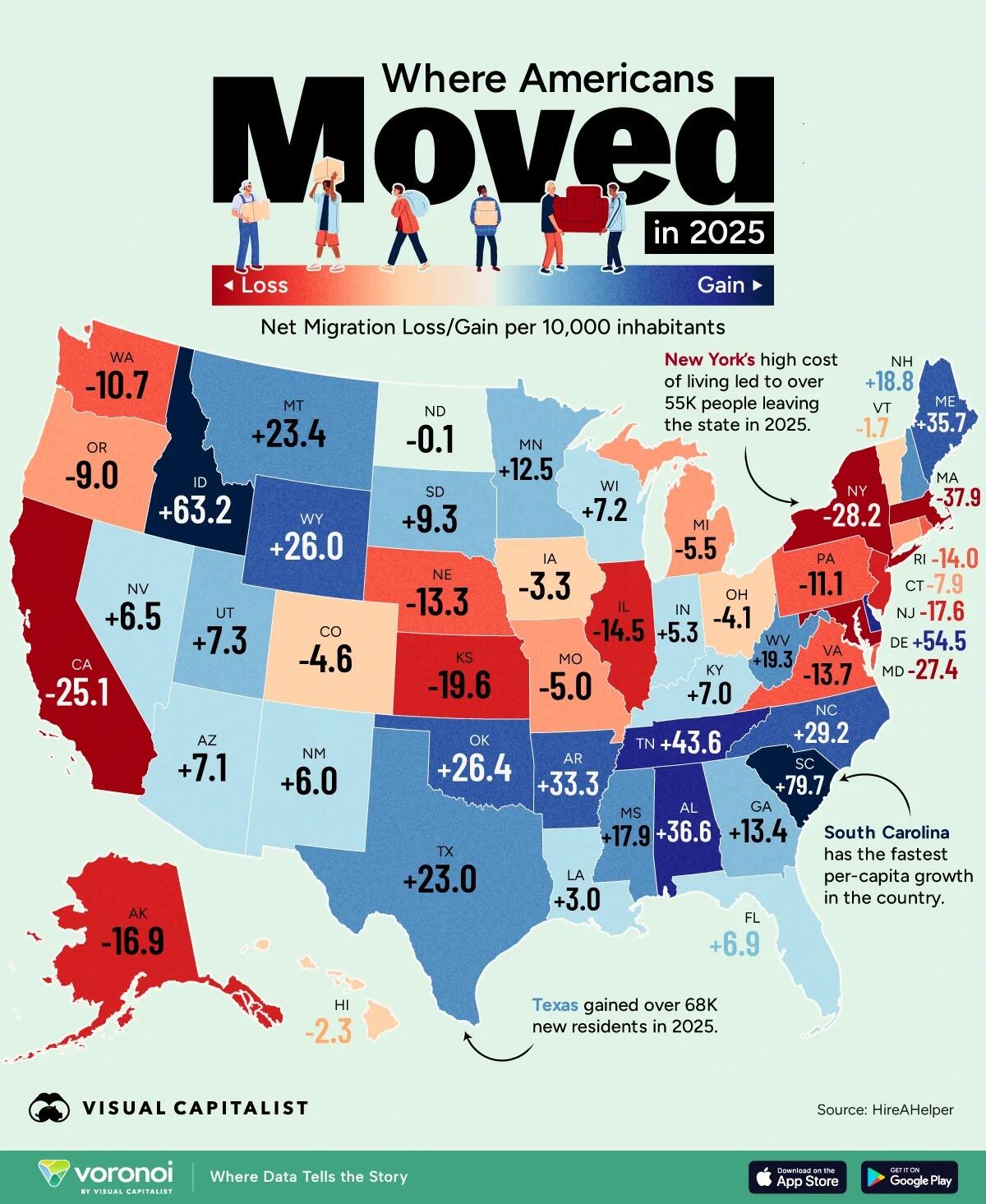
Cost of living continues to be one of the most powerful forces shaping where Americans choose to move. In 2025, the relationship between affordability and migration was especially clear: states that offered lower everyday expenses consistently attracted more new residents on a per-capita basis. Oklahoma, Mississippi, and West Virginia rank as the three least expensive states to live in, and all three landed within the top 15 states for net migration per 10,000 residents. Their performance reinforces the idea that when housing, utilities, and daily necessities remain accessible, people are far more willing to relocate. The 2026 HireAHelper Moving Migration Report – https://www.hireahelper.com/moving-statistics/migration-report/2026/
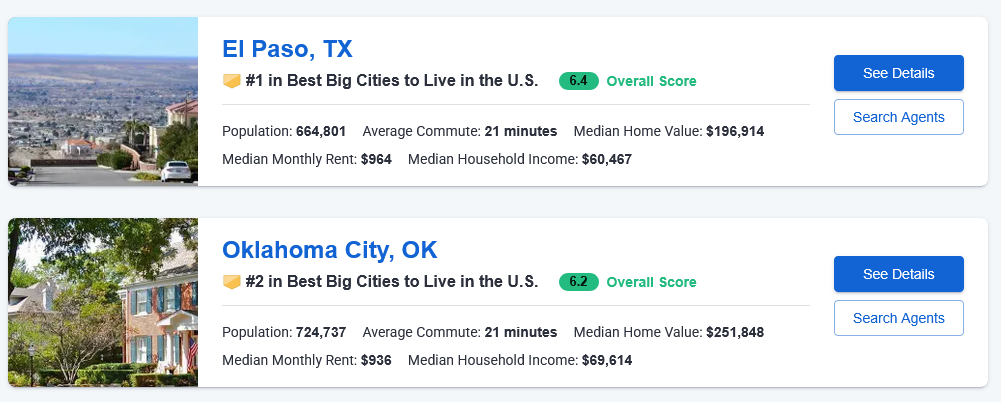
Best Big Cities to Live in the U.S. in 2026-2027https://realestate.usnews.com/places/rankings/best-large-cities
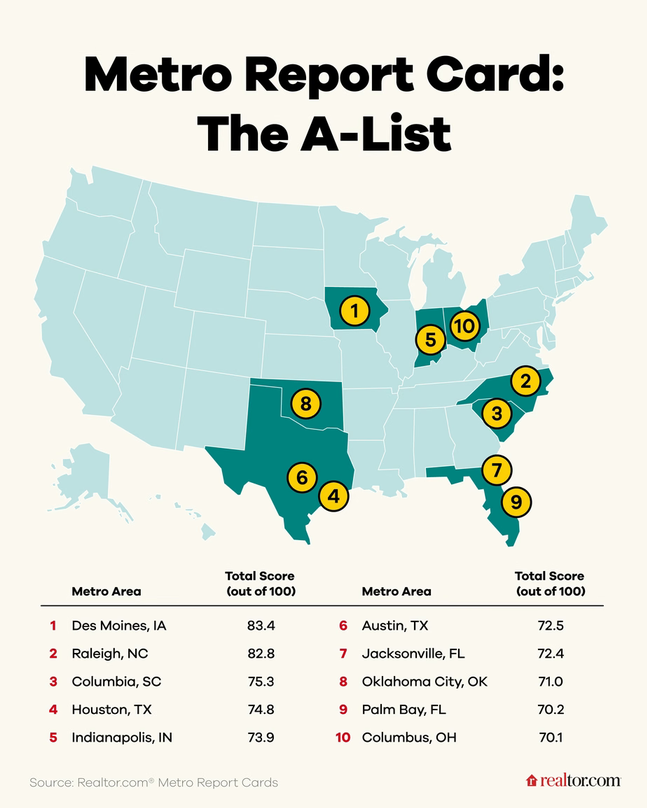
Midwest City Known as ‘Niceville USA’ Leads the Nation in Homebuilding and Affordabilityhttps://www.realtor.com/news/trends/homebuilding-affordability-des-moines-iowa-2026-report-card/

I’m stuck here.

Scary Pictures – 09.12.26

Source:

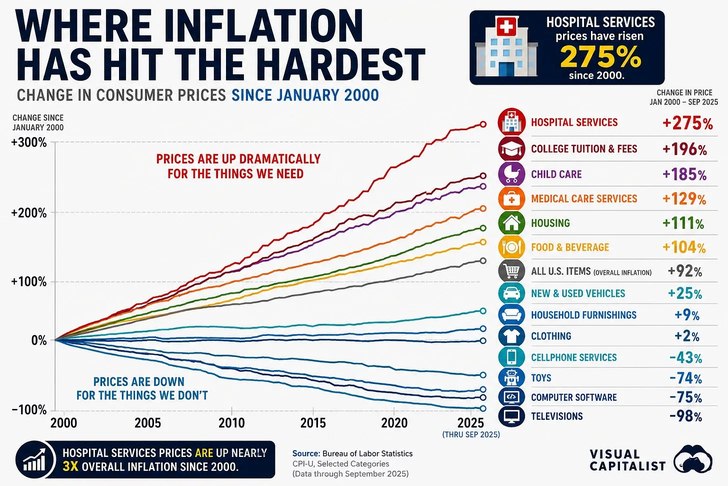
The consumer price index rose 3.4% last month compared with a year ago, the Labor Department said Friday, the same as in July. But on a monthly basis, inflation quickened, as costs jumped 0.4% from July to August, up from an increase of just 0.1% the previous month. U.S. inflation accelerated last month as gas prices spiked, squeezing Americans’ financeshttps://www.pbs.org/newshour/economy/u-s-inflation-accelerated-last-month-as-gas-prices-spiked-squeezing-americans-finances

Yikes.

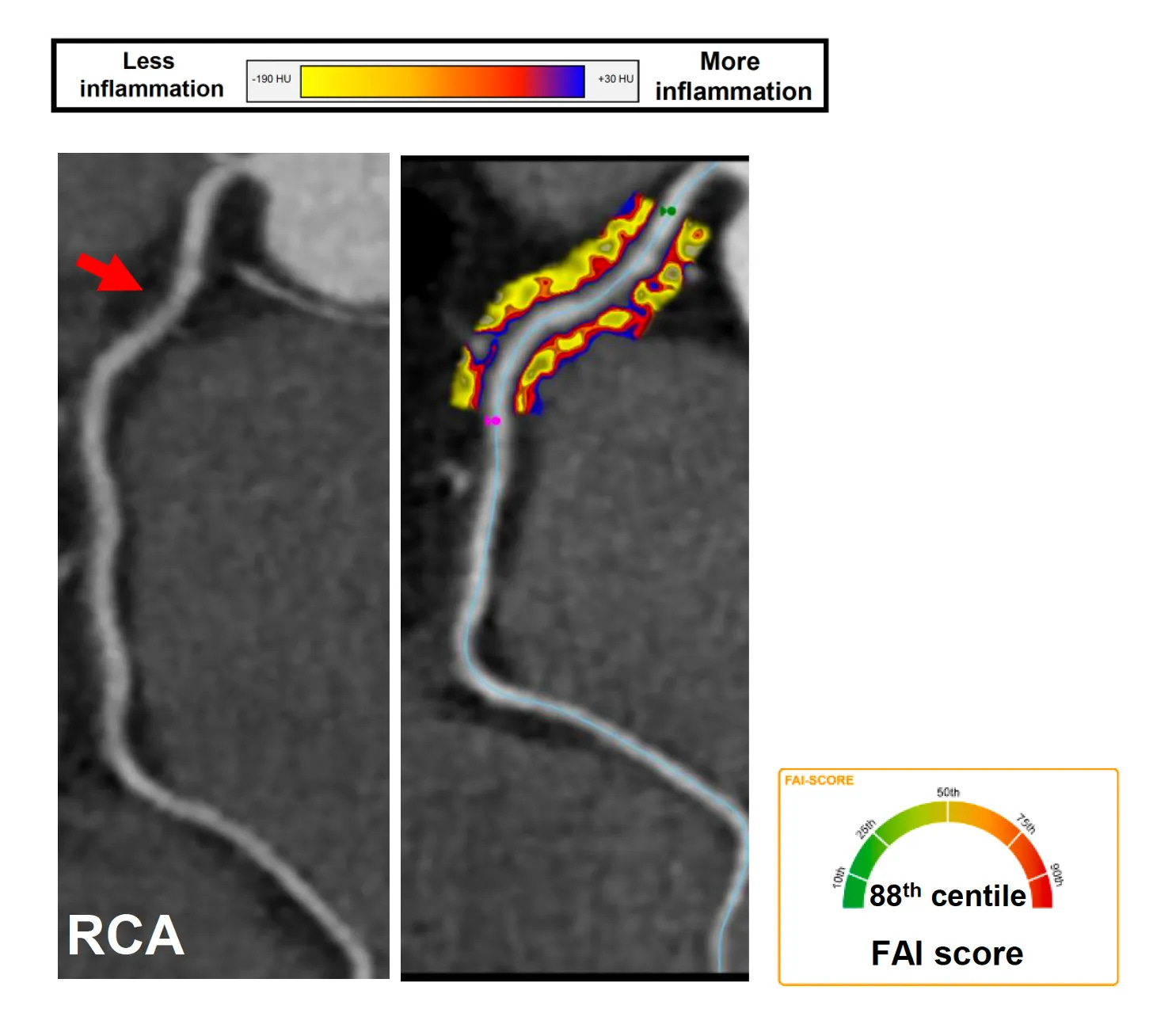
I Hope My Perivascular Fat Attenuation Index (FAI) Score is Low

New research continues to affirm the prognostic utility of the coronary computed tomography angiography (CCTA)-derived perivascular fat attenuation index (FAI) score in assessing cardiovascular risks for patients without common risk factors such as smoking history, obesity, hypertension and diabetes. What CCTA-Based AI Detection of Coronary Inflammation May Reveal About Patients with No Traditional CV Risk Factorshttps://www.diagnosticimaging.com/view/ccta-based-ai-detection-coronary-inflammation-patients-with-no-traditional-cv-risk-factors

Image Source: The Coronary Artery Inflammation Controversyhttps://erictopol.substack.com/p/the-coronary-artery-inflammation

Dr. Topel has an extensive analysis of this new diagnostic tool.

But I’m pretty sure the $49.00 heart scan at https://www.okheart.com/services/heartview-ct-heart-scan/ won’t tell me my FAI score.

Bipolar Disorder and Excess Mortality

BD overall is associated with excess mortality from both natural and unnatural causes. Meta-analytic evidence suggests that all-cause mortality is approximately doubled, with particularly high relative risks for suicide (12-fold) and other unnatural causes (7-fold) alongside a substantial increase in natural-cause deaths (2-fold).9 However, most mortality studies have not separated BD-II from BD-I, leaving BD-II’s specific mortality profile uncertain. Limited data indicate substantial premature mortality in BD-II, for example, an estimated 10- to 20-year reduction in life expectancy,1 with cardiovascular disease a major contributor to natural-cause deaths.10,11 This is likely predicated by shared risk factors and operative biological pathways as well as adverse effects of prescribed agents.12 Unnatural causes, especially suicide, also appear elevated. A large Swedish registry13 reported more frequent suicide attempts in BD-II than BD-I, yet meta-analytic work14 suggests that the risk of suicide death is broadly similar across the 2 subtypes. Many BD-II–focused studies have been underpowered or have not analyzed BD-II separately,11,1517 rendering conclusions tentative. Whether BD-II differs from BD-I in all-cause or cause-specific mortality remains largely unresolved because direct comparisons are scarce.18

Conclusions and Relevance  In this cohort study, BD-II was associated with a significant risk of premature mortality across multiple causes; even after accounting for shared familial factors and relative to BD-I, all-cause mortality remained elevated. These findings underscore the importance of comprehensive psychiatric care for individuals with BD-II.

All-Cause and Cause-Specific Mortality in Patients With Bipolar II Disorderhttps://jamanetwork.com/journals/jamanetworkopen/fullarticle/2847398

Another Random Thought on Retirement – 08.29.26

Another quiet Saturday and thoughts turn to retirement (again). Today I thought about retirement income streams and how life would look once I stopped working. We need to find someplace affordable.

In California, Hawaii, and Massachusetts, retirees often need between $1.5 million and $2.2 million to maintain their lifestyles, according to a 2026 study by GoBankingRates. By contrast, Oklahoma is the most affordable state, with $735,284 the baseline for a comfortable retirement. Mississippi and Arkansas follow closely, with targets remaining under $810,000. What Is the Magic Number to Retire Comfortably?https://www.kiplinger.com/retirement/magic-number-to-retire-comfortably

OK. Check that box off the list. My thoughts then turned towards what age would be a good age to retire. My former manager wanted me to stick around for five years. The last time I saw my current manager he told me a story of his grandfather working until he was 80. You hear stories of more people working into their later years and I wondered, at what age do people really retire?

What’s the real retirement age in America? Here are 4 guesseshttps://www.usatoday.com/story/money/personal-finance/2026/08/29/retirement-age-in-america-social-security-medicare/91406670007/

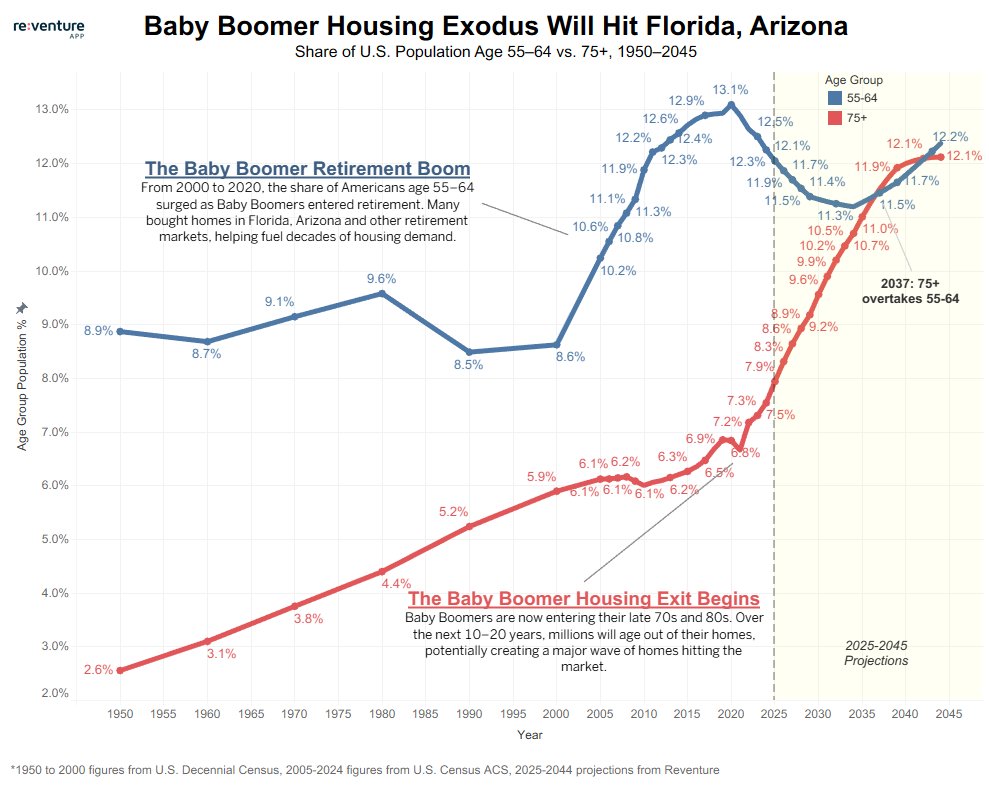
Well, that wasn’t helpful at all. Then I entertained the thought of selling our house and downsizing.

Source: https://www.reventureconsulting.com/

Hmmm…

Guess I’ll keep working. May not be going anywhere, anytime soon.

Does Illicit Drug Use Increase Stroke Risk?

Their results, published in the International Journal of Stroke, showed substantial differences in stroke risk associated with several drugs. Cocaine and amphetamine use were each linked to roughly twice the risk of stroke (cocaine increased the risk by 96%, amphetamines by 122%), while cannabis use was associated with an increase of about 37%. Opioid use, by contrast, showed no statistically significant association with stroke risk.

The researchers also examined people under age 55 separately. Within this younger group, amphetamine use was associated with nearly three times the risk of stroke (an increase of 174%). Cannabis was linked to a smaller 14% increase in stroke risk, while cocaine use was associated with a 97% increase. University of Cambridge. “Cannabis use linked to 37% higher stroke risk in massive study.” ScienceDaily. http://www.sciencedaily.com/releases/2026/08/260822015215.htm (accessed August 23, 2026).

Journal Reference:

  1. Megan Ritson, Hugh S Markus, Eric L Harshfield. Does illicit drug use increase stroke risk? A systematic review, meta-analyses, and Mendelian randomization analysis. International Journal of Stroke, 2026; 21 (6): 788 DOI: 10.1177/17474930261418926

Yikes.

Statins and Seniors

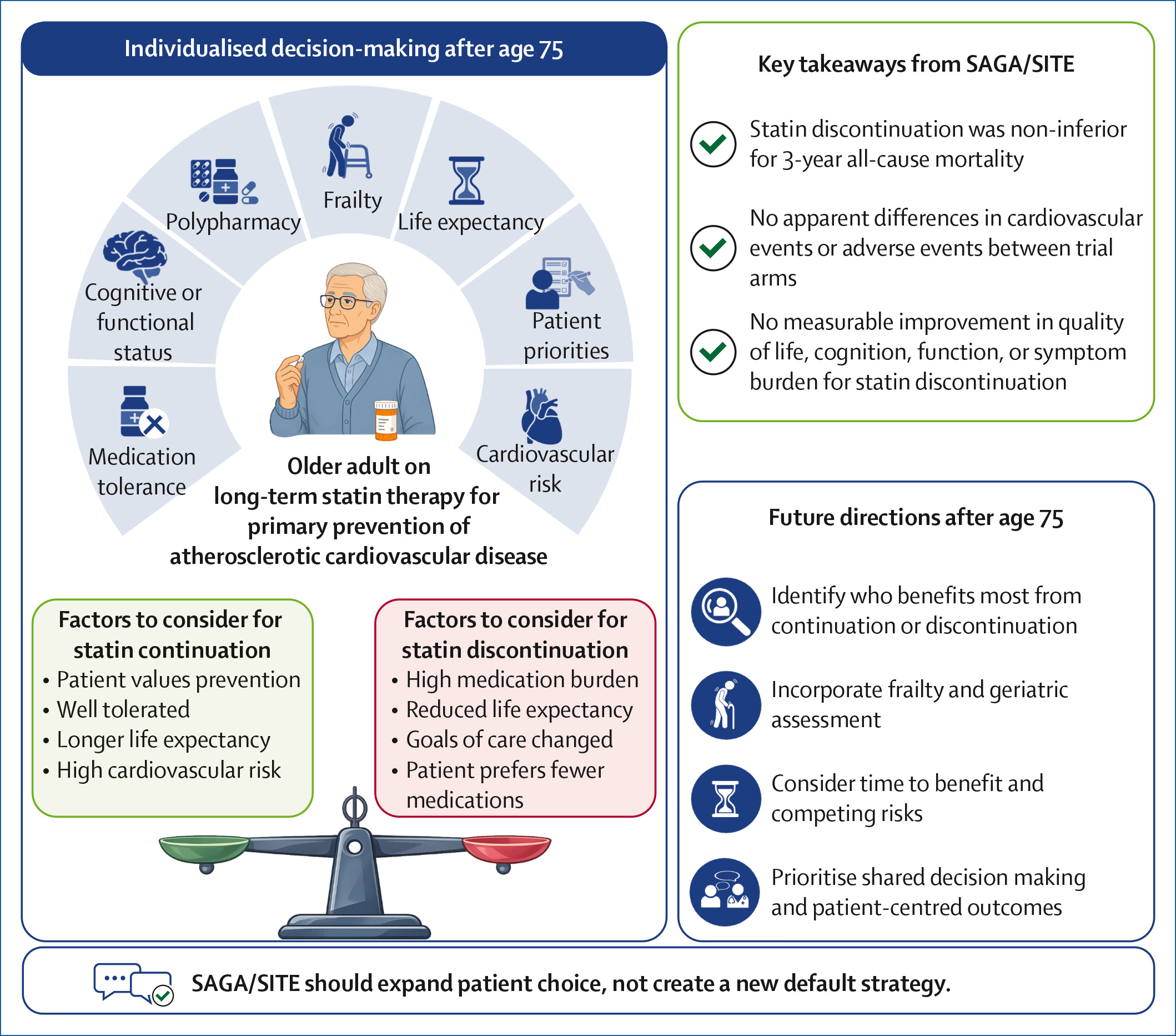
For clinicians, these findings reinforce the importance of individualised decision making rather than a single preferred approach. For older adults who are tolerating statin therapy and wish to continue treatment, evidence from SAGA/SITE provides little reason to recommend routine discontinuation. Conversely, for patients who prioritise reducing medication burden, have limited life expectancy, have substantial polypharmacy, or whose goals of care have changed, discontinuation might be a reasonable option. Rather than supporting a default strategy, the trial broadens the evidence available for treatment decisions that reflect each patient’s individual clinical circumstances and preferences.2,3 Statin discontinuation in older adults: changing the conversation, not the defaulthttps://www.thelancet.com/journals/lanhl/article/PIIS2666-7568(26)00072-3/fulltext

Discontinuation of statins for primary prevention of atherosclerotic cardiovascular disease in adults aged 75 years or older (SAGA/SITE): a multicentre, open-label, pragmatic, non-inferiority randomised trial Bonnet et al.

The Lancet Healthy Longevity August 11, 2026

WOO HOO (maybe).

Life is short and science takes too long.